 France

Frequent Home Hemodialysis
Bringing Assisted Dialysis closer to patients, for improved quality of life.

 Accueil » KSA
When dialysis integrates into everyday life
Living with end-stage renal disease often imposes a rigid treatment schedule driven by in-center dialysis sessions.
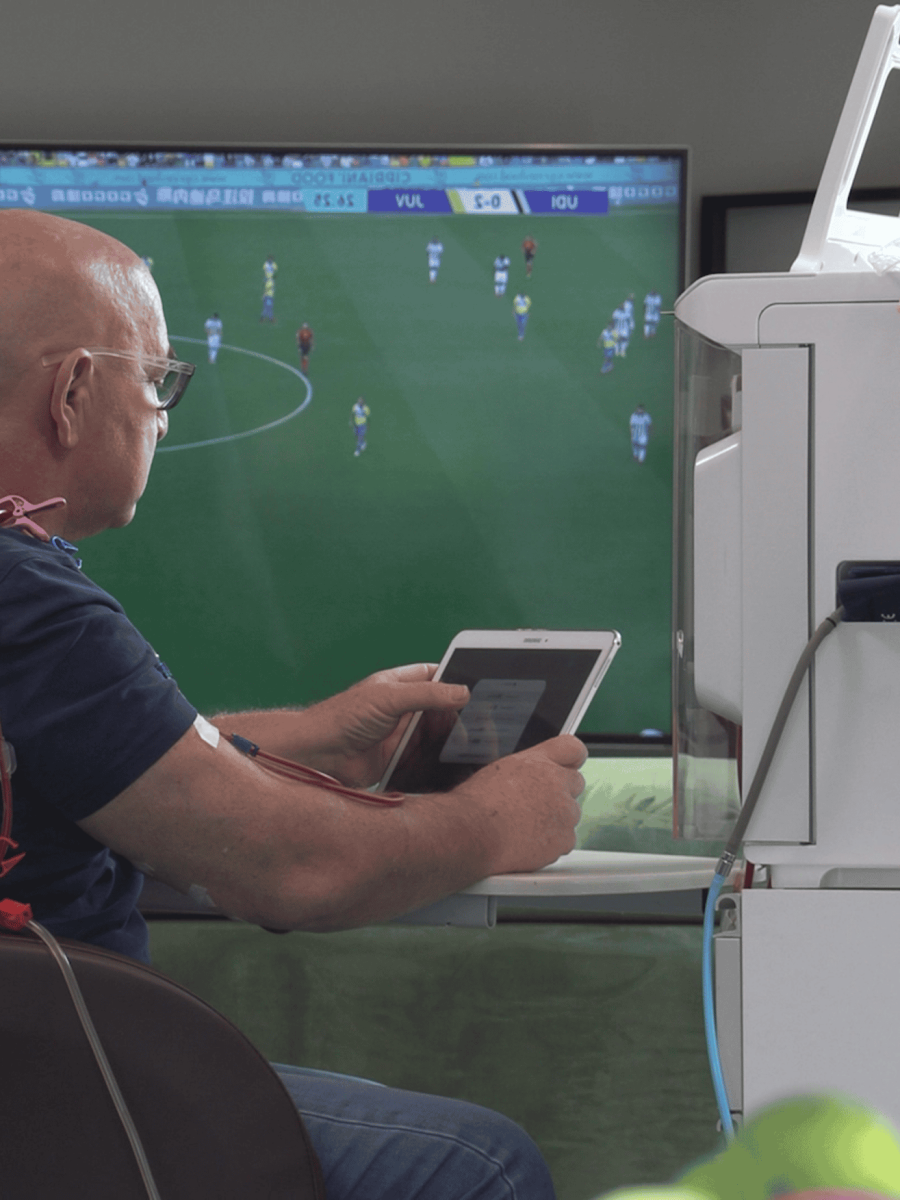
Frequent home hemodialysis offers an alternative approach, where therapy adapts to the patient’s daily rhythm rather than the opposite.
By delivering dialysis more frequently and at lower flow rates, this modality supports improved fluid management, smoother hemodynamic profiles, and enhanced tolerance of treatment.
Beyond clinical performance, frequent home hemodialysis is designed to support long-term stability and patient well-being.
What is Frequent Home Hemodialysis?
Home hemodialysis (HHD) is a renal replacement therapy performed in a home setting using a dedicated dialysis system specifically designed for non-hospital environments.
The therapy reproduces key kidney functions by:
- Removing metabolic waste products and excess fluid from the blood
- Supporting electrolyte balance and acid–base regulation
- Allowing individualized treatment prescriptions defined by the nephrology team
Frequent HHD enables patients to receive dialysis sessions adapted in duration and frequency, according to their clinical profile and lifestyle, under medical supervision.
This approach is particularly suited for patients seeking:
- Greater flexibility in treatment scheduling
- Reduced physiological stress associated with conventional intermittent dialysis
- A care pathway that supports autonomy while maintaining safety standards
Clinical benefits of frequent home hemodialysis
Clinical evidence supports frequent HHD as a therapy associated with:
- Improved volume control and blood pressure stability
- Reduced intradialytic symptoms
- Enhanced cardiovascular tolerance
- Faster post-dialysis recovery
- Improved patient-reported quality of life
Treatment prescriptions are individualized and regularly reviewed by the renal care team to ensure safety and effectiveness over time.

How home hemodialysis is implemented
Home hemodialysis follows a structured and supervised care pathway.

Patient assessment
Patients are evaluated by their nephrologist to confirm clinical eligibility and suitability for home-based therapy.

Training and education
Patients — and when applicable, caregivers — receive structured training delivered by qualified dialysis nurses.
Training focuses on: Treatment preparation and execution, Vascular access management, Safety procedures and alarm handling, Infection prevention measures

Ongoing support
Once at home, patients remain fully integrated into their dialysis program, with:
Regular clinical follow-up
Biological monitoring
Access to technical and clinical assistance
technology & monitor
A dialysis system designed for the home environment
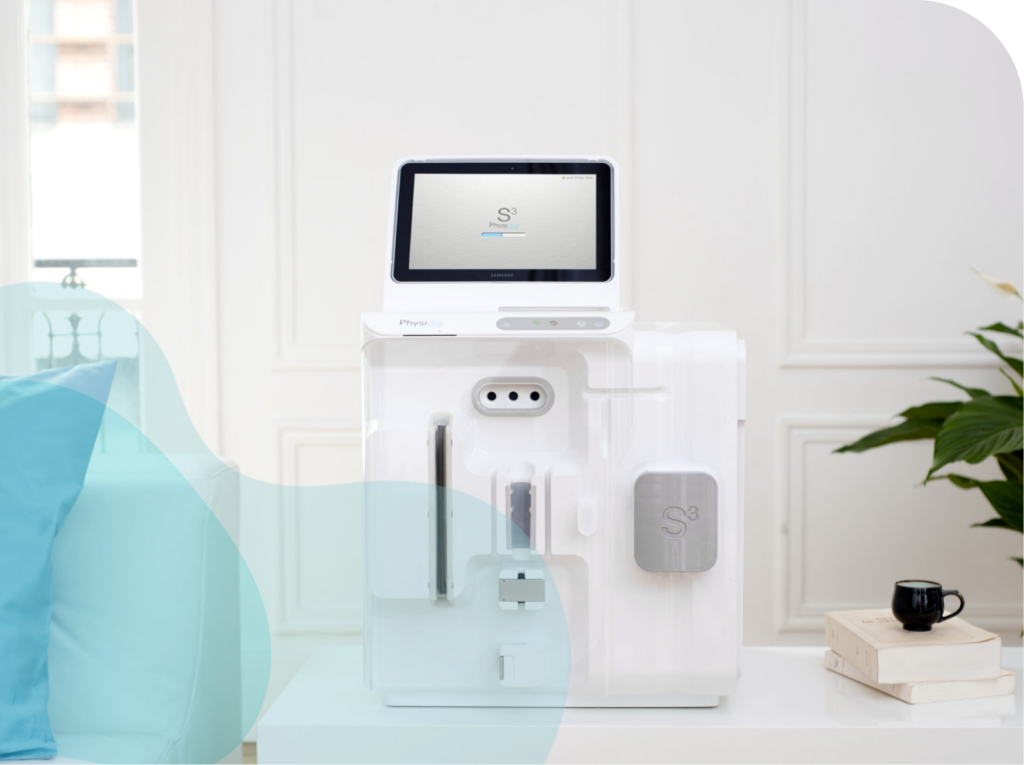
Physidia dialysis systems are developed specifically to support frequent home hemodialysis.
Key design principles include :
Compact footprint suitable for domestic settings
Intuitive user interface to guide treatment steps
Low-flow technology supporting gentle and frequent dialysis
Integrated safety features aligned with clinical standards
The system is designed to support both patient confidence and clinical oversight, ensuring continuity of care outside the dialysis center.
ABOUT HIMC
HIMC is Physidia’s local partner supporting the deployment of home hemodialysis programs in the region.
Through close collaboration with renal teams, Health HD supports therapy implementation, coordination, and patient follow-up in accordance with local clinical practices.

ABOUT Physidia
Physidia is a medical technology company dedicated to advancing dialysis therapies with a strong focus on patient quality of life.
With more than a decade of experience in home hemodialysis, Physidia develops solutions that support:
- Clinical effectiveness
- Ease of use in non-hospital settings
- Long-term treatment sustainability
In the Kingdom of Saudi Arabia, Physidia works in close collaboration with its local partner HIMC to ensure:
- Appropriate clinical introduction of the therapy
- Training and education of healthcare professionals
- Long-term technical and clinical support
Together, we contribute to the development of home hemodialysis as a credible and accessible therapy option for renal patients in the region.